


Camouflage patterns are popular in both military and civilian circles, albeit for completely different reasons. Whereas in the military, the aim is to stand out as little as possible, hip girls and guys want just the opposite. But what do all these different patterns stand for? What lies behind them and where do they come from? 't Amerikaantje reveals it in a three-part series.
The word camouflage is said to date back to World War I and originated in Paris, where camoufler (meaning 'disguise') was popularly used when the French army began to employ artists to paint their artillery and observation posts in the same colours as the forests.
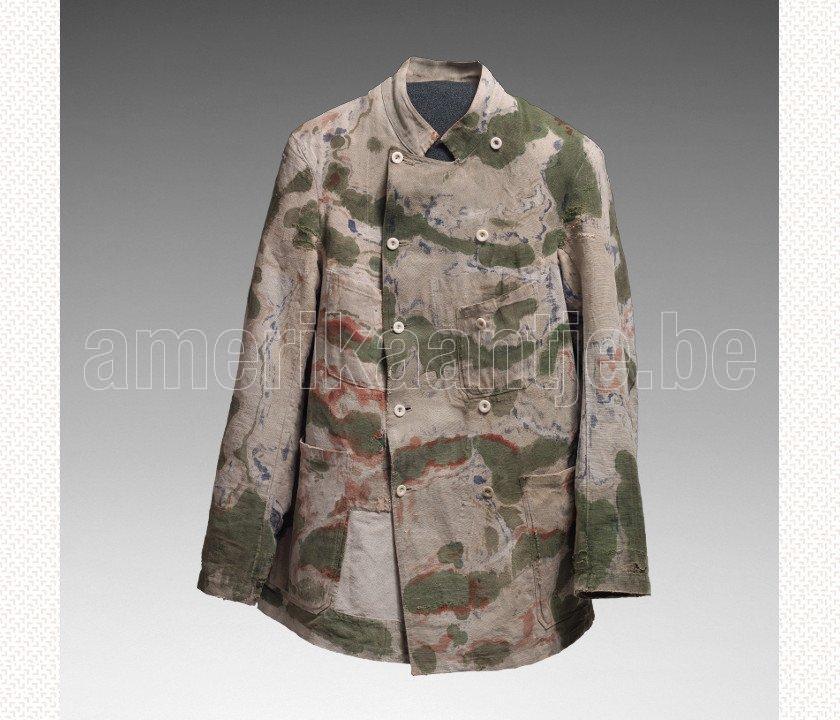
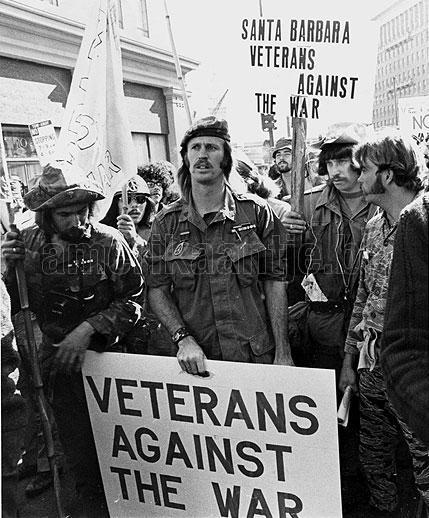
Since then, military organisations around the world have invented hundreds of different camo patterns to give their troops a tactical advantage. It was only after US veterans wore their military duffels to denounce the war on their return from Vietnam that camo quietly began to make inroads among the civilian population, and by the late 1980s all major French couturiers had integrated some kind of camo pattern into their clothing lines.
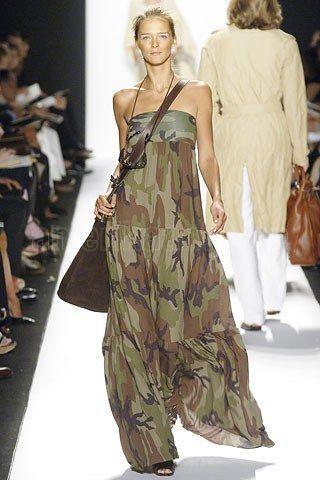
But don't just say camo to camo! Because each design has its own specific shape, size and colour. Wikipedia lists no less than 49 different military camouflage patterns, past and present. Do you recognise them all? 't Amerikaantje helps you get started.
MULTICAM
The name 'multicam' says it all: from a military point of view, this relatively new type of camouflage is suitable for various types of terrain and at the same time performs well in different weather and light conditions.
In 2003, US troops in Afghanistan used this camouflage developed by Crye Precision in both the high plains and the desert. The iguana-like pattern has more than 100 individual image layers and different colour spectrum combinations. As a result, the observer's eye sees the colours that most closely resemble the environment.
A devil-do-well, then, that Multicam, a pattern now used by the Australian, Chilean and Russian armies, among others
In our webshop you will find Mulicam products also often under the term HMTC back.
MTP
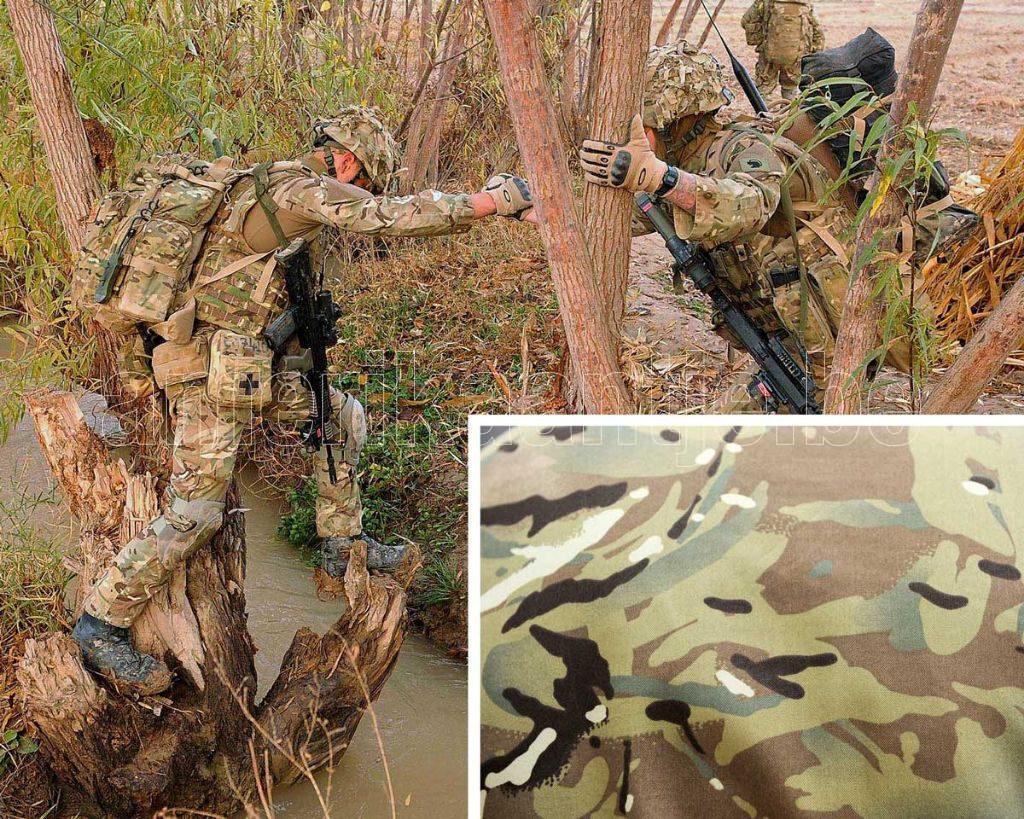
Very similar to - but not to be confused with - Multicam is the MTP variant, which stands for Multi Terrain Pattern. For this, the British Ministry of Defence had the Multicam pattern combined with the already existing British Disruptive Pattern Material pattern (DPM), resulting in a new pattern characterised by more elongated shapes and the traditional dots around the edges of each colour. Unlike Multicam, MTP (often incorrectly called MPT, by the way) is not licensed for use in civilian clothing. So if you see this pattern popping up anywhere, it is most likely going to be an original ex-army item.
ERDL
In 1948, the US Army Engineer Research and Development Laboratory (ERDL) designed a general purpose woodland pattern that mimicked the brown leaves, green grass and blacks of twigs and branches. The lesser-known ERDL is actually the grandfather of all camouflage patterns in the second half of the 20th century, mainly because of its unusually popular descendant, the US Woodland camo.
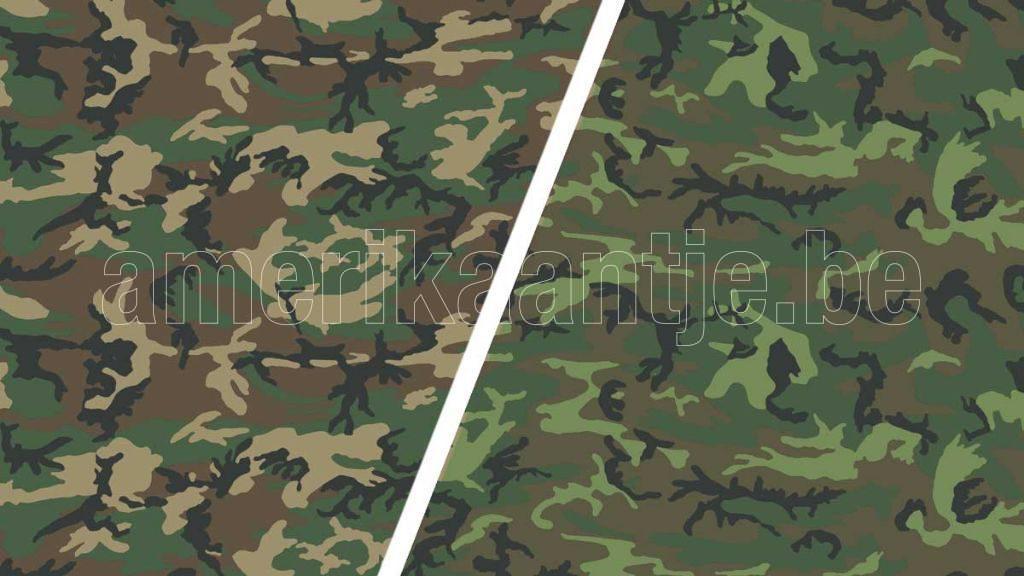
ERDL camouflage: left version Highland, right Lowland
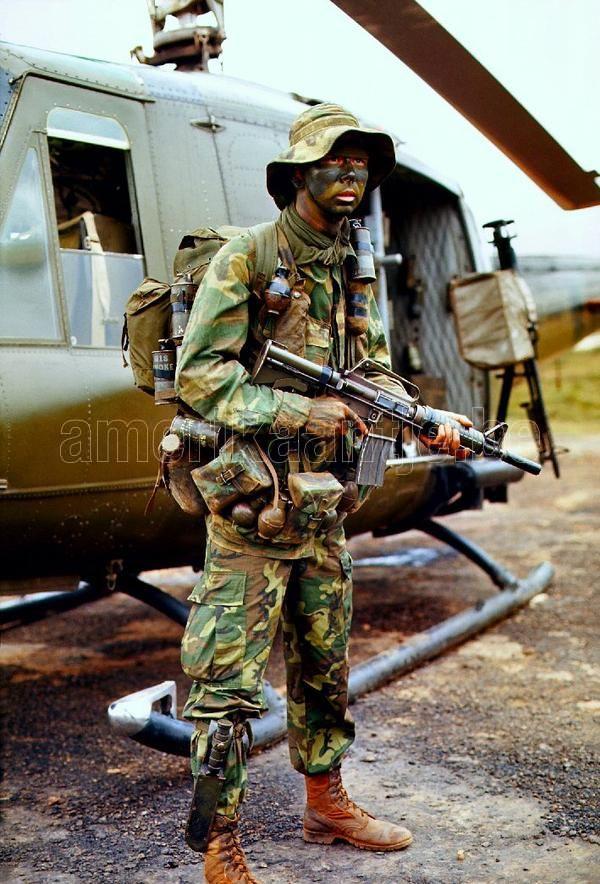
US WOODLAND
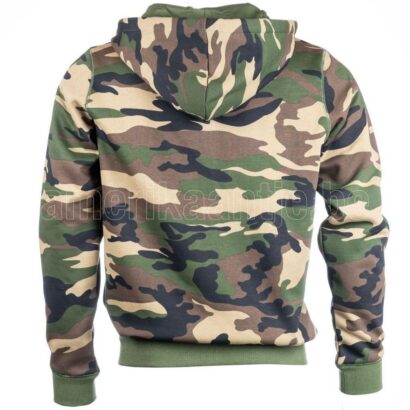
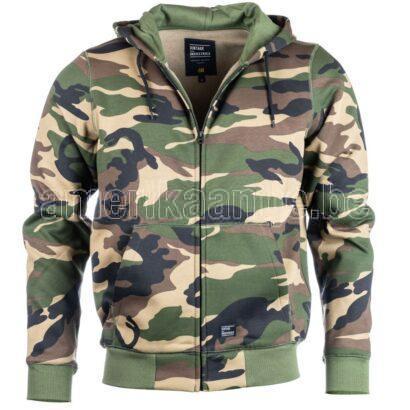
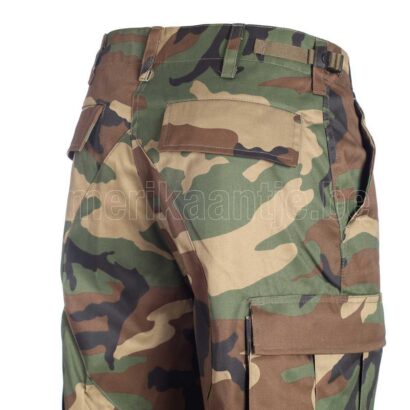
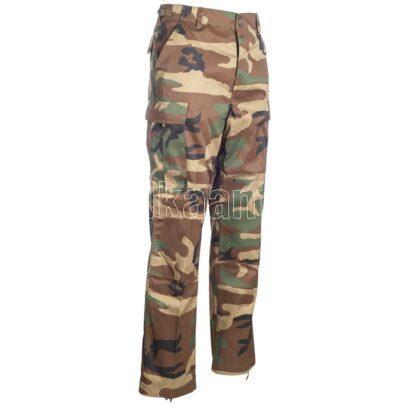
The Woodland pattern is by far the most widely used and best known camouflage pattern ever invented. However, the design comprises nothing more than a 60% enlargement of the four-colour EDRL pattern. Virtually all US army units were equipped with it from 1981 to 2006, and to this day almost a quarter of all the world's armies still dress in a Woodland plunge.
Military trousers

T-Shirts

 Nederlands
  Français
  English (UK)