

How army clothing affects fashion
Whether you are a newbie soldier, a paracommando on holiday or the most pacifist-minded civilian, it is quite possible that you are dressed in a military outfit at this very moment. Because today, often without being aware of it, everyone owns a lot of garments that have their origins in the military. From T-shirts to trench coats and bermudas to bomber jackets....


BOMBERJACKS
Bomber jackets, originally designed for military pilots, are almost ubiquitous on our streets all year round. In its simplest form, the rugged jacket is therefore very affordable, but the price can rise just as quickly depending on the materials used. The very first bomber jackets were a necessity for fighter pilots in World War I, as most aircraft did not yet have an enclosed cockpit. Pilots needed a relatively comfortable-fitting jacket that could protect them from the elements at the same time. In 1917, the US Army established the Aviation Clothing Board, which distributed heavy-duty leather jackets, characterised by a zip with wind flaps, a high collar and well-fitting cuffs and waists. It wasn't until the 1960s that the jackets became commonplace with us thanks to the European Air Force. Various subcultures, such as skinheads and the punk scene, soon embraced the short jackets. Throughout the rest of the 20th century, fashionable jackets remained part of a lot of wardrobes, including among grunge rockers. Today, one of the best-known fans of the bomber jacket is US pop star Kanye West.

Military jackets
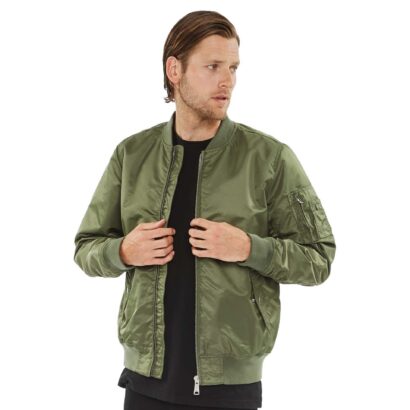
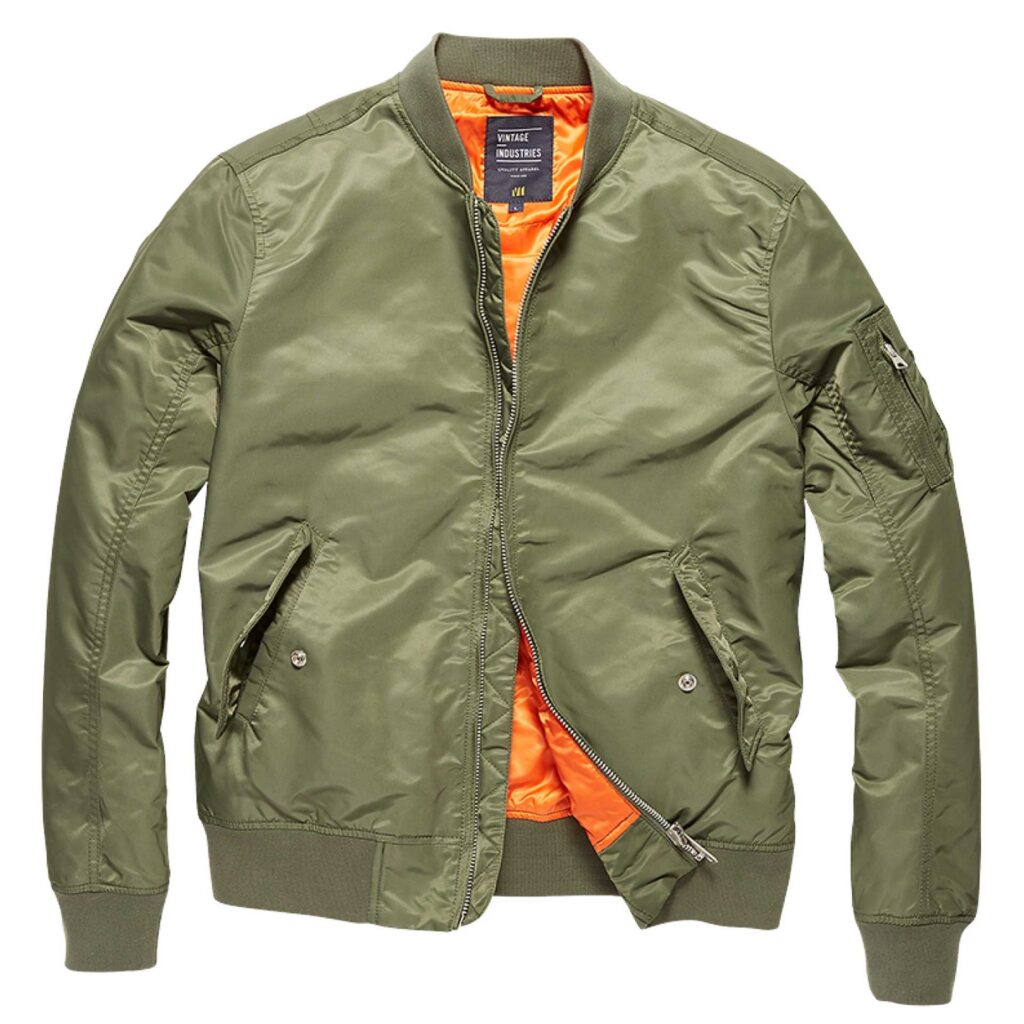
Military jackets
CARDIGAN
The word cardigan is not usually thrown around very often, which does not prevent both men and women from having one or more hanging in their wardrobes. Essentially, it is a knitted cardigan, usually with a V-neck, but always with a row of buttons that continues to the bottom. The garment is named after James Brudenell, the seventh Earl of Cardigan. A lieutenant-general in the British army, it is said that the earl was so rich and sophisticated that he equipped his troops with the flashiest new uniforms every year. At the Battle of Balaklava, during the Crimean War, he led his regiment to destruction in Russia in 1854, but survived the battle himself. He was honoured on his return to London and the knitted waistcoat he wore (the cardigan) became a coveted gadget. The cardigan was later commercialised and always knitted from wool or cotton. The cardigan is mostly worn during informal occasions and to this day is also quite popular among young people, who wear it over a shirt, blouse or even a T-shirt.
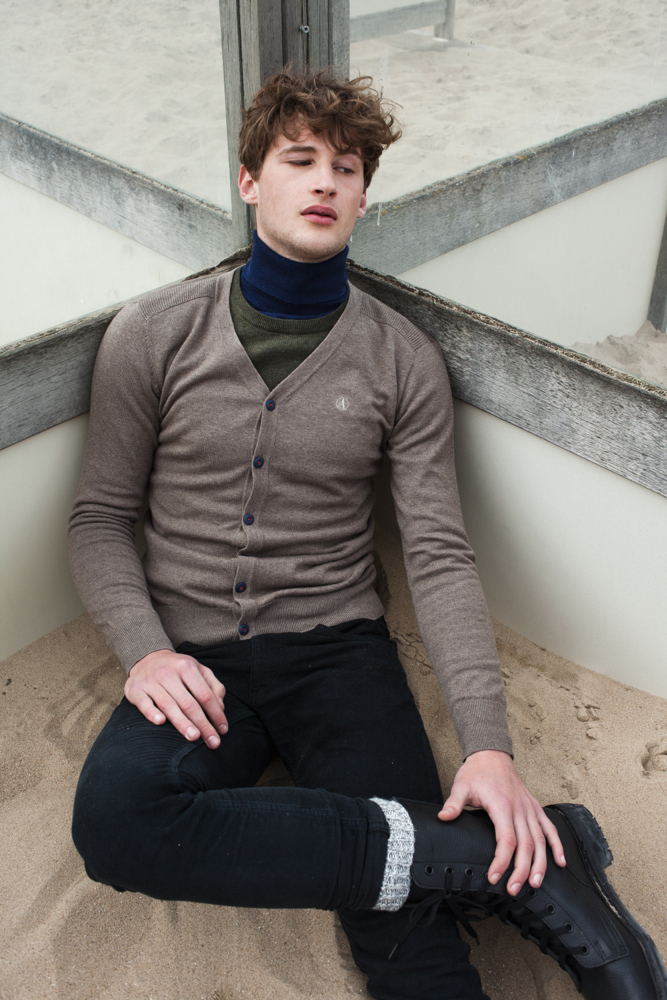
Photo: Maxime Fauconnier.
See also: Combat Shoes ANTWRP
WRIST WATCH
Not a piece of clothing by definition, but many people feel naked without it. The wristwatch also has an important military history. Pocket watches, often made of gold or silver, had been around for a long time and were a sign of wealth. Quite a few owners of pocket watches not only belonged to the wealthy elite, they also belonged to the first batch of officers at the beginning of the First World War. It dawned on them then that a timepiece had to be above all practical and readable in an instant. On the battlefield, soldiers needed both hands to carry and operate their equipment, making a pocket watch inconvenient. To ensure accurate coordination of manoeuvres, troops were fitted with wristwatches, which at the time were called 'trench watches' or trench watches. Incidentally, it was crucial for officers that their watch had luminous hands and an unbreakable glass. Since they had to buy their watches themselves, advertisements popped up everywhere at the time to encourage their sale, and the popularisation of the wristwatch was suddenly a reality.

 Nederlands
  Français
  English (UK)