

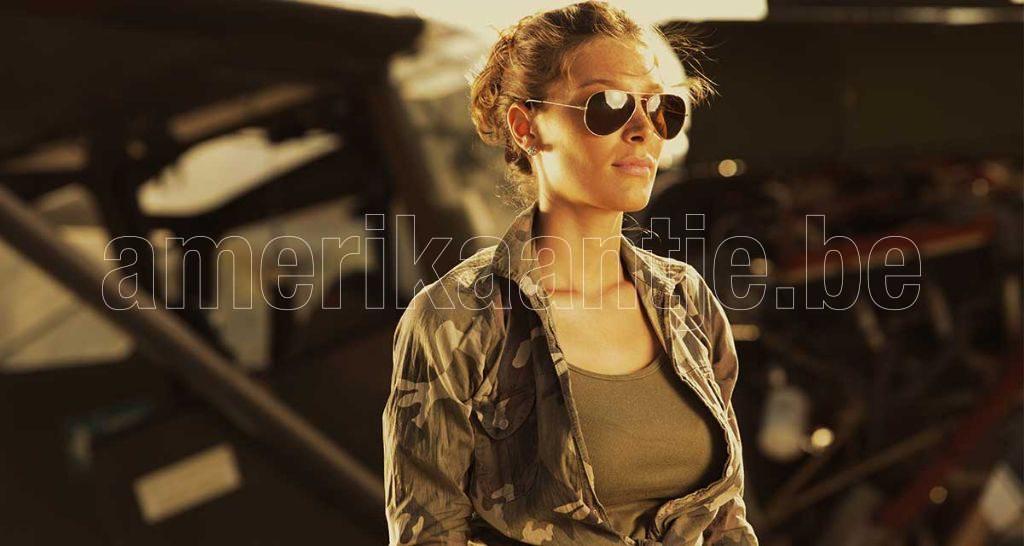
How army clothing affects fashion
Whether you are a trainee militiaman, a paracommando on holiday or the most pacifist-minded civilian, it is quite possible that you are dressed in a military outfit at this very moment. Because today, often without being aware of it, everyone owns a lot of garments that have their origins in the military. From T-shirts to trench coats and from bermuda shorts to bomber jackets... How the practical use of the army outfit has determined our streetscape for decades, 't Amerikaantje examines in a revealing three-part series.

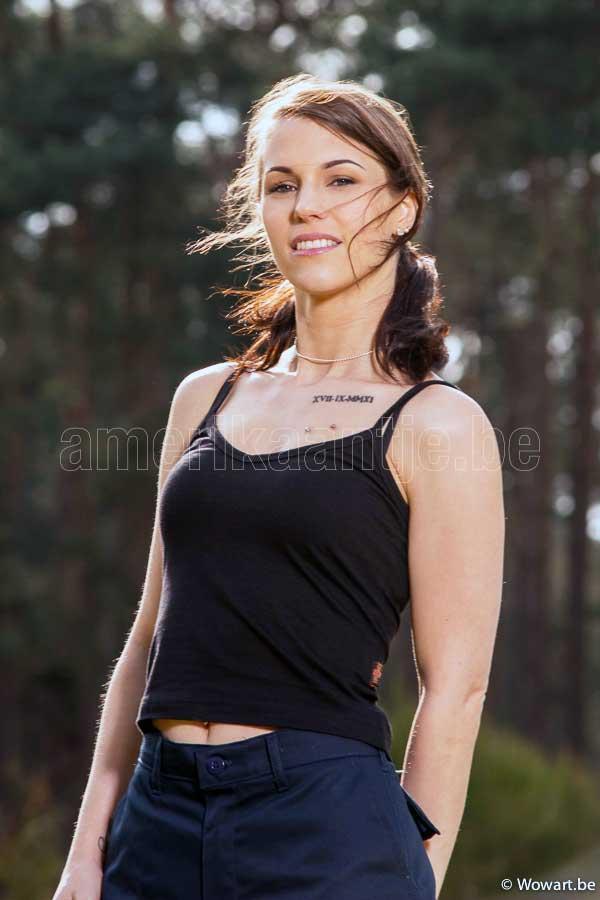
THE T-SHIRT
A T-shirt can be found in just about everyone's wardrobe, whether you are 1 or 101 years old. Yet this simple, unbuttoned garment only became part of a lot of wardrobes in 1913, and as official standard equipment of the US Navy. Especially on submarines and in tropical climates, the typical white, short-sleeved cotton T-shirt was a cheap, easy-to-clean and comfortable alternative to the uniform, especially while performing chores. For the same practical reasons, T-shirts were subsequently worn mainly by young boys, albeit in various colours and patterns. In 1920, the word 'T-shirt' first appeared in an American-English dictionary, after which the immensely popular piece of textile conquered the entire world to this day. Incidentally, the 'T' in the word 'T-shirt' refers to the shape of an unfolded one, which resembles a large letter 'T'.
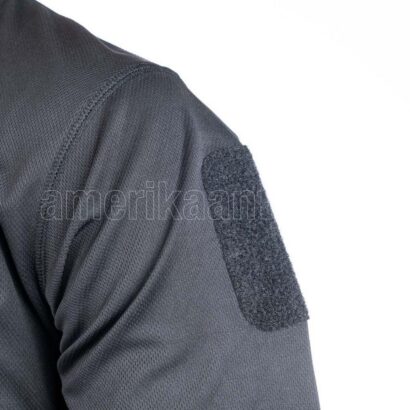
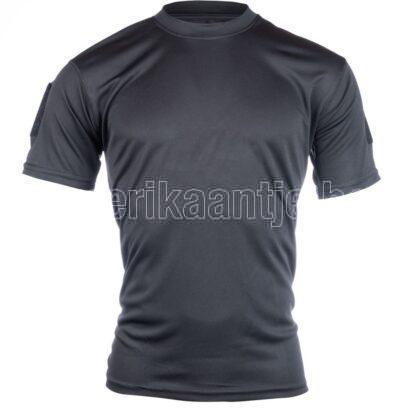
T-Shirts
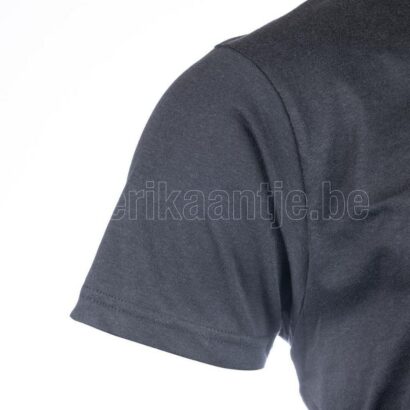
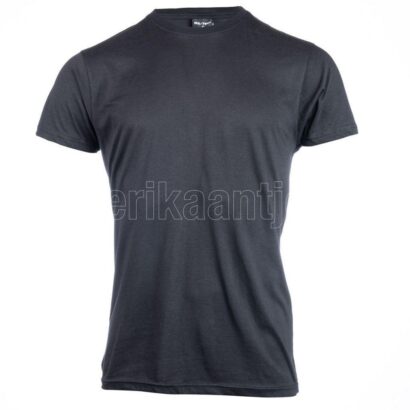
T-Shirts
THE BERMUDA
The summer bermuda is also part of just about every wardrobe in our part of the world, and was only introduced to the civilian population after a career in the army. These 'dressy', knee-high shorts, not to be confused with the shabbier cargo trousers, were first created from the shorts worn by British soldiers in tropical countries. Here's the thing: during World War II, the island of Bermuda was - yes - short of clothing. Fearing that his staff would not have enough suitable clothing, a bank director ordered a local tailor to make extremely light trousers modelled on the shorts worn by the British army there. Each male employee was eventually given two pairs of these (initially grey) flannel shorts, to be worn in combination with long, grey woollen socks. It was the beginning of bermuda as business attire, which has since been accepted as part of the work outfit in many warm countries. And to this day, bermuda shorts are still worn by Royal Navy and Royal Canadian Navy soldiers.
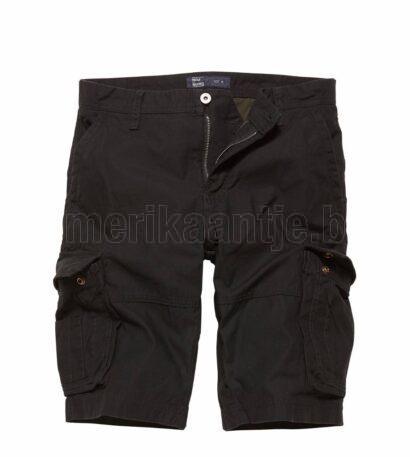
Shorts & Bermuda shorts
THE RAY-BAN AVIATOR GLASSES
No outfit is complete without a cool pair of sunglasses, and of course the fashion icon on the subject has its origins in the military. When new aircraft made it possible to fly higher and higher in the 1930s, a problem arose related to the increase in altitude: many US Air Force pilots reported that the glare of the sun gave them headaches. Commissioned by the US military, the company Bausch & Lomb (which had also created pioneering eyewear for the military in World War I) was given the task of developing a new type of sunglasses, which eventually became available to the general public in 1937. Initially, the glasses had a plastic frame, while typical aviator lenses ensured that the intensity of the sun on the pilot's face and instruments was reduced. Just a year later, the glasses received the widely known metal frame and the official name "Ray-Ban Aviators". Over the years, a special coating on the upper part of the lens provided even better protection and an uncoated lower part gave a clearer view of the instrument panel. Or how a product can be tactical, practical and fashionable at the same time, courtesy of the US military.

Safety goggles

 Nederlands
  Français
  English (UK)