


If you are planning a trekking trip, you would do well to set off with the right equipment. Because whether you have planned a one- or multi-day hike or want to backpack through India for six months, a decent pair of shoes, a comfortable backpack and comfortable clothing will definitely contribute to a successful adventure. And where better to start your trip than at 't Amerikaantje, your one-stop shop for the perfect trekking outfit!
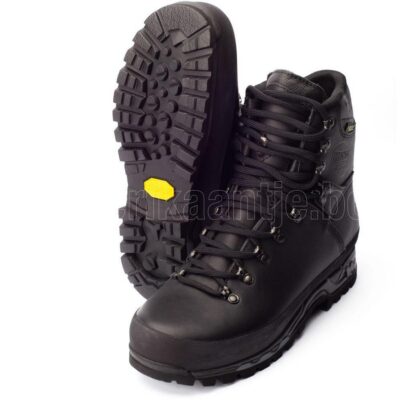

Hiking boots
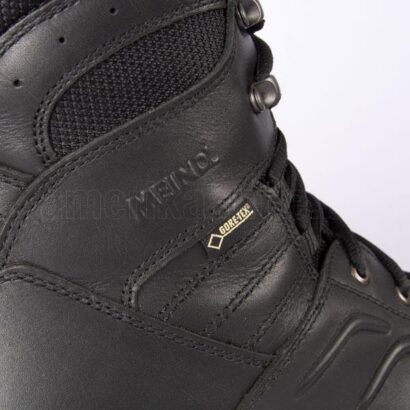

Adventure Boots
THE RIGHT HIKING BOOT
Where does that go
Choosing the right hiking boot starts with the simple question: where are you going? After all, every hiking shoe is made with a specific terrain in mind. For instance, if you are mainly going to be hiking on paved paths, a light, flexible shoe with a low ankle height will suffice. If, on the other hand, challenging mountain treks over uneven terrain are on the menu, a sturdy pair of shoes that offers sufficient support around the ankles is a must. A stiff sole is also recommended in the latter case, as this will automatically create a stable surface. A good rule of thumb is: the further off the beaten track you want to go, the sturdier your footwear should be.
Waterproof and/or breathable?
A second - frequently asked - question is whether or not your hiking boots should be waterproof. Most modern hiking shoes worthy of the name come with a waterproof membrane anyway, so that question is a bit redundant these days. More important is to make sure your shoes are also made of a breathable material. If not, your feet will soon start to sweat, which not only feels unpleasant in the long run, but also promotes blistering and unpleasant odours. In any case, go for woollen or synthetic socks, because cotton ones will keep your feet wet for much longer.
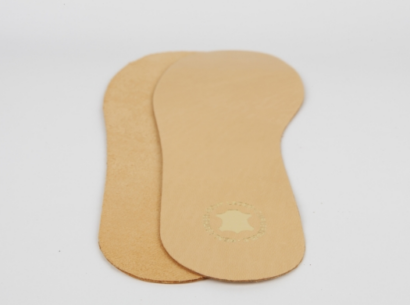

Shoe accessories
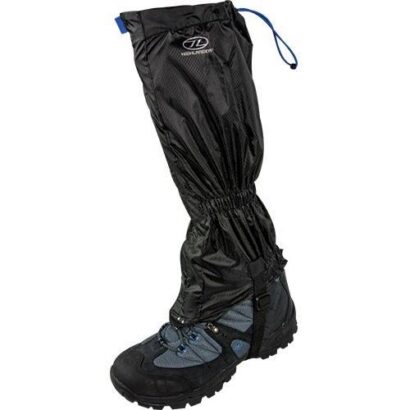
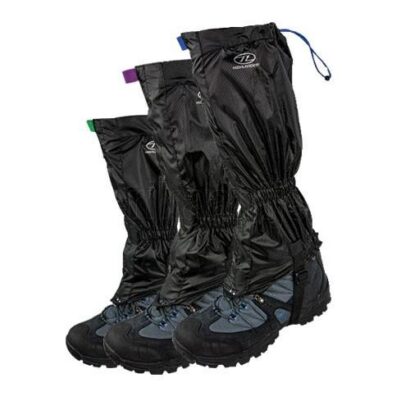
Shoe accessories
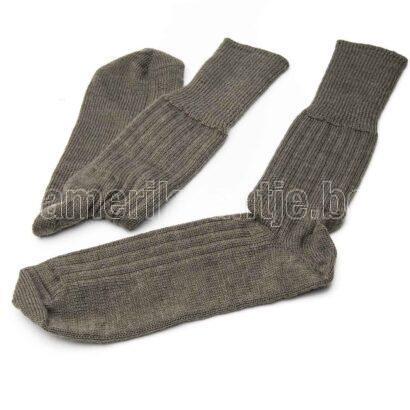
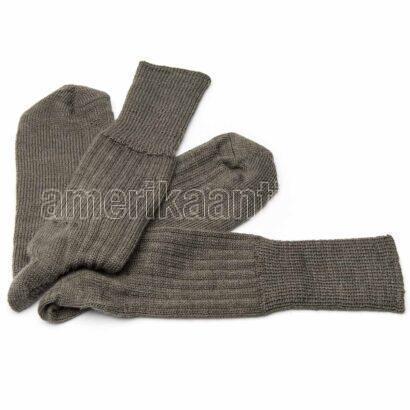
Stockings
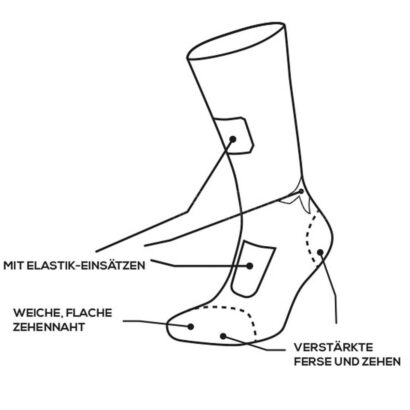

Stockings
If the shoe fits...
And last but not least, a good fit is of course essential. There is nothing more annoying than finding out after a few kilometres that your shoe is too loose or too tight in one place, after which a few blisters or lumps are just a matter of time. So take plenty of time to try on your new shoes at home or in the shop beforehand (preferably with your favourite socks). If either one of your feet is pinching, look further. Because once you have reached your destination, there is no turning back.
Rucksacks
THE RIGHT BACKPACK
Big trip = big backpack
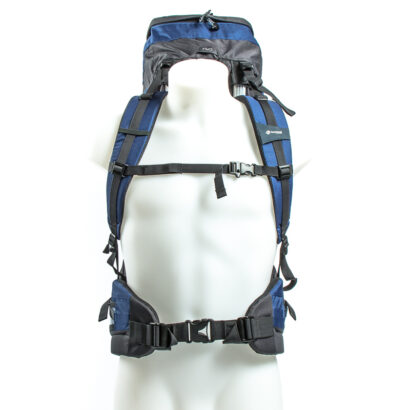
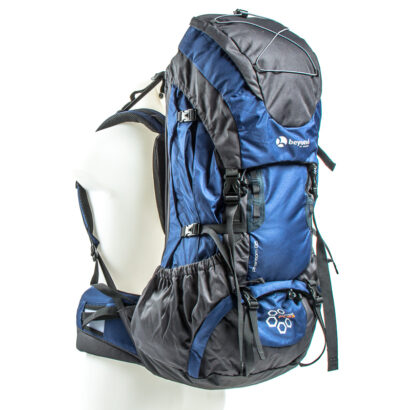
When choosing a backpack, the first thing to consider is what you will use it for. If you are planning a multi-day hike with a tent and sleeping bag, you will need a backpack with a capacity of around 60 litres. Designed specifically for backpackers, these models are comfortable enough to get through an entire day in relative comfort, thanks to the adjustable back height, wide, pre-shaped hip belt and thick shoulder straps. There are also plenty of attachment points provided for attaching extra gear to the outside. By the way, the compression straps, also often provided, are not there for show: they help keep your backpack as compact as possible and at one with your body.
Rucksacks

Waterproof bags
Water bag or plastic bottles?
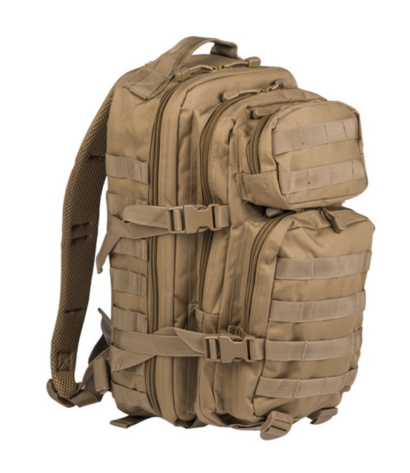
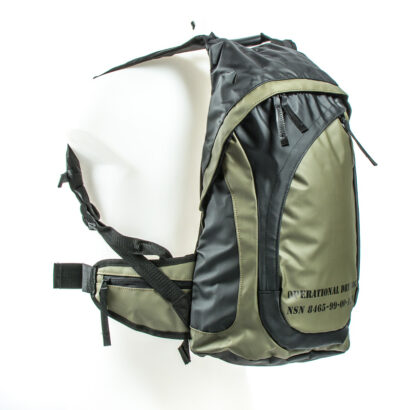
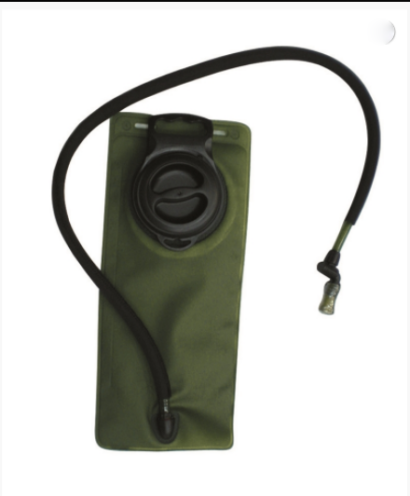
For day trips, so-called daypacks are unsurprisingly best suited. With a capacity between 20 and 40 litres, they still come with comfortable straps and some extra compartments to accommodate frequently used items. Elastic side pockets that accommodate drinking bottles are also practical, but you can also opt for a water bag (usually around 2 litres in size) in a specially provided compartment. With the help of a drinking tube, this way you will always have your hands free on the road, although filling and cleaning such systems requires a bit more time than carrying a PET bottle - but oh well: don't trekkers always prioritise the environment?

Water storage
Parts & accessories

Parts & accessories
THE RIGHT CLOTHES
Walk in style
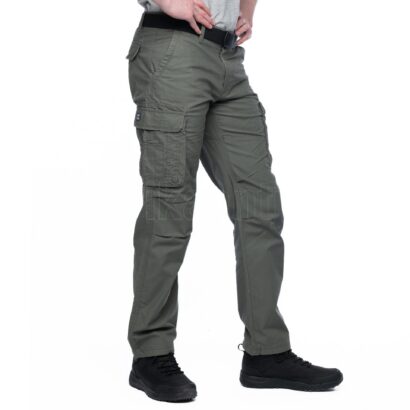
It seems obvious, but those trendy jeans or that wonderfully comfortable tracksuit are not exactly suitable for a full day or more of brisk walking. The ideal hiking clothing meets a number of specific criteria, such as a comfortable fit, enough lockable storage pockets and, if possible, an insect-repellent and UV-protective treatment by the manufacturer. In warmer temperatures or during more strenuous efforts, moisture-regulating, quick-drying clothing (ventilated or not) is also recommended. And if you like to go out very early, zip-off trousers are particularly suitable for the colder parts of the day. As soon as it is warm enough, simply tuck the unzipped legs into your rucksack - always a great moment!

Long trousers
Think about your head
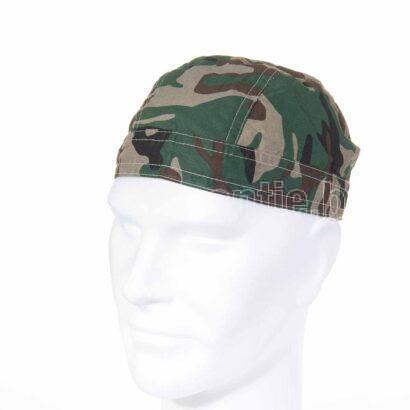
Finally, to complete your outfit and avoid a blow from the sun, a suitable hiking hat should not be missing. As you would also prefer to avoid pesky critters around your head, an insect-repellent model is again highly recommended. Proper UV protection and an antibacterial treatment (against body odours, discolouration and fungus) are not to be sneezed at either.
Bandanas & neckerchiefs
So, now you know how to cover yourself from head to toe (ánd back) in the perfect trekking outfit. Discover our range now in our webshop or visit one of our shops... Super good and super cheap!

 Nederlands
  Français
  English (UK)