

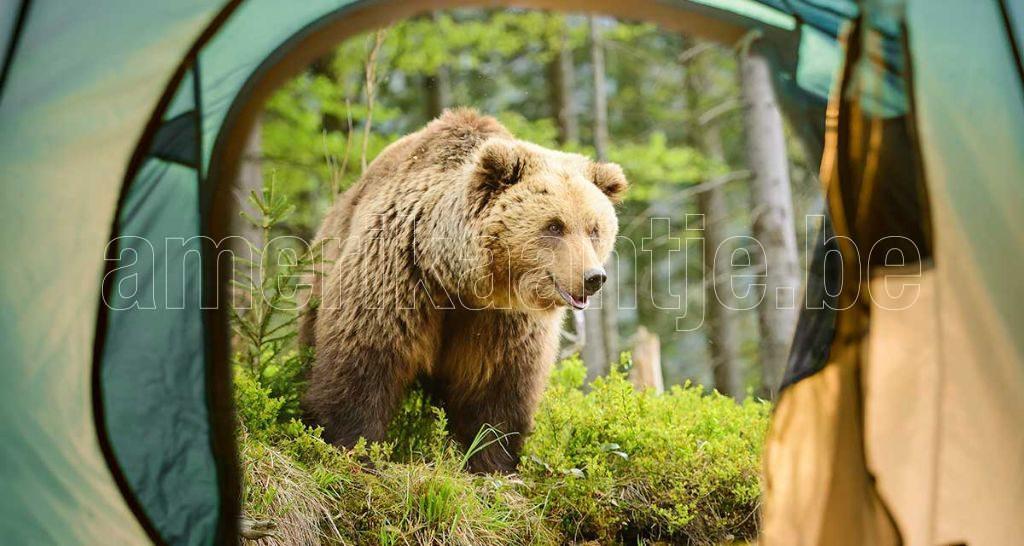
Camping anxiety is a common affliction among holidaymakers who swear by the luxury of a hotel. Yet no form of holiday offers more relaxation than a few nights under the stars, any seasoned fan will tell you. So wouldn't it be a mortal sin not to surrender to the rhythms of nature at least once in your life? We help you overcome the most common fears about sleeping outdoors, so you can tackle that first camping trip like a boss.

Furniture

Tents
1. I will be eaten by a wild animal
It seems an irrational fear, but many people - both young and old - shudder at sleeping outdoors for just that reason. Yet, as far as we know, there are no known cases of eaten campers in our area. At most, a wolf is occasionally spotted in the distance, but as long as you are not a sheep, there is little to fear. Wild animals stay as far away from people as possible. It is advisable, however, to seal your food items tightly, if you want to prevent smaller animals from curiously sniffing around your tent at night. Also, preferably keep boots and bottoms indoors, so that when you wake up you are not surprised by a moody snake or viper.

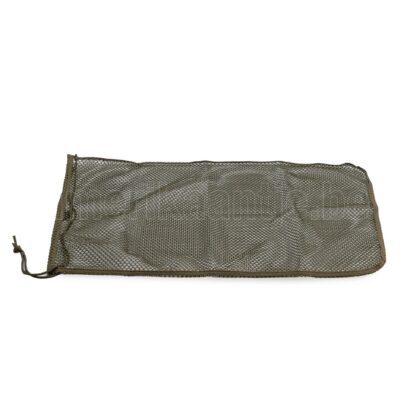
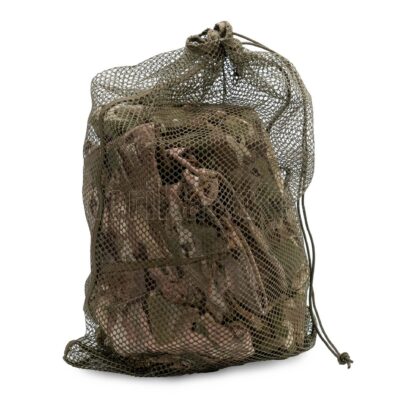
Laundry & towels
Insects and pests will eat me raw
It is true that you are less likely to get insect bites in the room of a five-star hotel than on a campsite. Especially in the evening, mosquitoes in the field have a bad habit of attacking human beings en masse. An insect-repellent cream (which also keeps ticks at bay!) is then definitely recommended. If you want to be left alone at night too, some discipline is required. Most modern tents are equipped with a mosquito net at the entrance, and of course you should then use it without exception. The same applies if your sleeping compartment is equipped with an additional mosquito net.
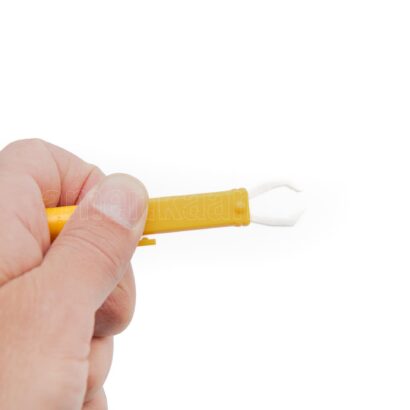

Insect repellent

Insect repellent
3. My tent will blow away at night (myself included)
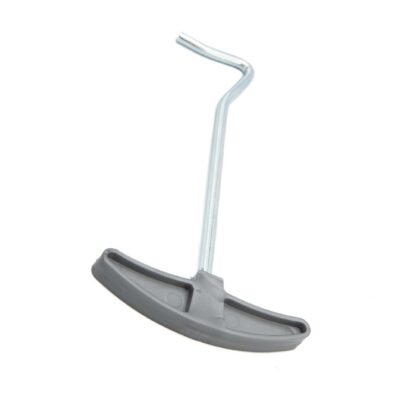
It usually won't go that far, but judiciously selecting a good camping spot will help. Pitch your tent firmly and anchored with the appropriate stakes in a sheltered area, with the narrowest part of the tent facing the wind, while making sure - for the sake of comfort - that the entrance to the tent does not face the wind. Now just hope that that one local, extremely rare whirlwind does not hit your campsite and you can be up and running again the next morning.

Tents
4. I will be washed away and drowned
While some hate the sound of rain, others find peace in the rhythmic dripping on the canvas of your tent. In any case, contemporary tents are designed in such a way that (provided they are sufficiently waterproof) they can easily withstand even a severe thunderstorm. If you already have an older tent or have doubts about its waterproofing, make sure you waterproof it with a suitable product just to be sure. Furthermore, keep in mind that water always flows downhill, so avoid the lowest-lying areas. Installing your sleeping area above a pit or hollow is also out of the question, as that is precisely where water will gather during a heavy downpour. If your tent does not have a groundsheet as standard, be sure to pack one. A 'shelter', essentially a piece of canvas on poles, is also recommended. The tarpaulin provides extra shelter from the rain and sun like a parasol.

Tents
5. Sleeping on the floor hurts
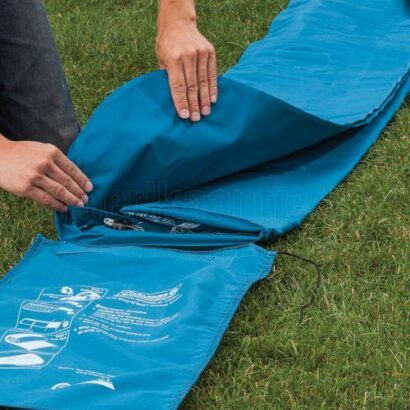
The days when campers literally slept on the ground are long gone. Nowadays, you can buy sleeping mats and air mattresses that are extremely comfortable. A self-inflating air mattress is extra handy, and if you go camping with the whole family, a double mattress for mum and dad (whether or not combined with a double sleeping bag) is a great idea. A double mattress is also worth considering for those with two children to sleep on. Do give your toddlers a separate sleeping bag each to minimise the risk of bickering.


6. I will have to eat ravioli for days... Cold from the can.
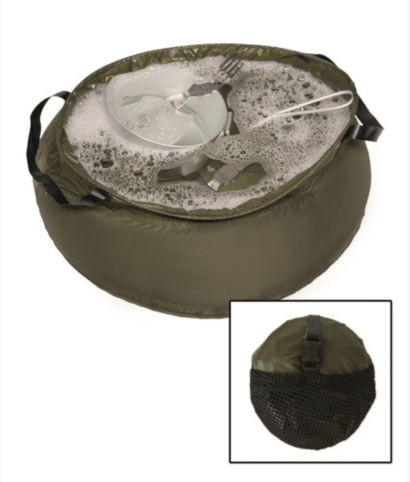
People who have never been camping before sometimes think that in the field you rely solely on cold and/or pre-prepared meals. Nothing could be further from the truth: today there are more opportunities than ever to cook your own meals in the open air. Cooking over a campfire is a rather 'primitive' option, but barbecuing is just like you are used to - and even cozier than at home. If you prefer traditional cooking, a gas basin (with two burners if desired) offers a solution. In that case, try to make sure you can cook standing up, because after one time sitting with your butt in the grass, you've had it. And the dishes? It is best to collect them in a collapsible washing-up bowl, which you can carry to the washing-up spot at the campsite in one go thanks to a carrying handle.
Laundry & towels

Pots & pans
7. The neighbours will keep me awake at night
If you go really wild camping - deep in a forest, for example - then you will not be bothered much by neighbourly noise. If, on the other hand, you camp on a campsite like most people, noise pollution depends on the spot. Usually, a campsite has a quieter area. If you want to maximise the chances of a good night's sleep, opt for a site with as few mobile homes as possible. How to know the number in advance? Via the satellite view in Google Maps, you can count them one by one.
8. I will have nowhere to wash
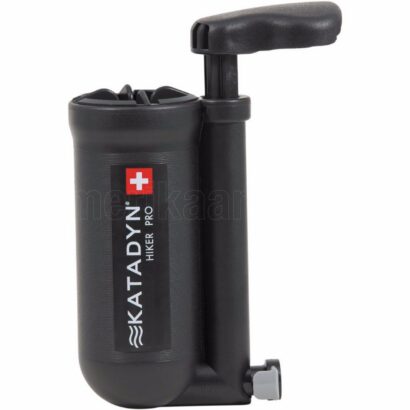
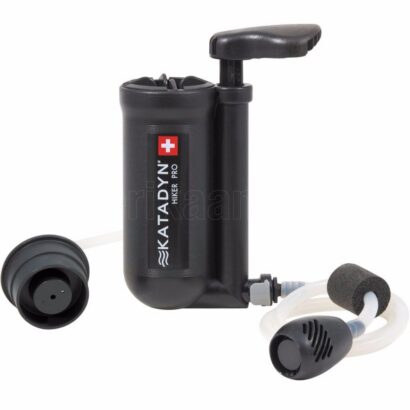
Although the modern camper can also enjoy a nice hot shower outdoors thanks to a so-called camping shower (a water-filled bag that you let warm up in the sun), this becomes a lot more difficult once the sun is not at home. Fortunately, most campsites have enough sanitary facilities, including toilets, to offer guests a degree of comfort. Because however much you want to get back to nature, a refreshing shower always perks a person up. And the fact that you don't necessarily have to sit with your butt between the ferns when you need to is also a nice bonus for most.

Laundry & towels
Water treatment
9. Children will be bored
A big advantage of camping is the feeling of not having to do anything. Unlike at a hotel, you never feel the compulsion to do something, or to go somewhere. In fact, a whole day loafing in and around the tent can be wonderful. And if you have young children, they always know what to do in the open air. If you like to keep an eye on the little ones, a large, thick mat at the entrance to the tent is just as comfortable to play on.
10. I will forget something at home
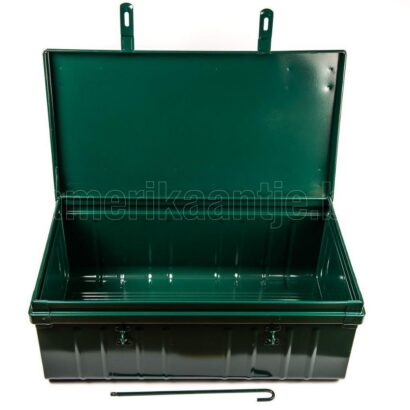
This is one of the most common fears, albeit among experienced campers. Arriving at your destination, you suddenly realise that, say, your pickets are still at home. Making a checklist of things to pack is recommended anyway, but even better is to keep all your camping gear separate. Keep your camping gear in boxes or bags that you leave untouched at home and you will never have any unpleasant surprises.

Suitcases

Hip bags
 Nederlands
  Français
  English (UK)